


Introduction (Hook-Based)
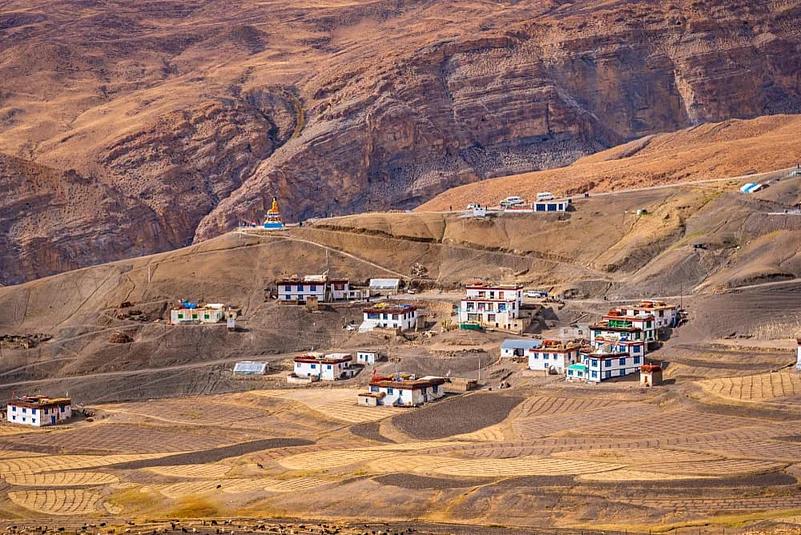
Dreaming of conquering the Himalayas or exploring breathtaking destinations like Spiti and Leh-Ladakh? High-altitude travel offers unmatched beauty—but it also comes with serious risks if not planned properly. Whether you’re a first-time traveler or an experienced explorer, following the right travel safety tips for high-altitude adventures can make the difference between a memorable journey and a dangerous situation.
This guide covers everything you need to stay safe, healthy, and fully prepared while traveling to high-altitude destinations.
Why High-Altitude Travel Needs Special Preparation
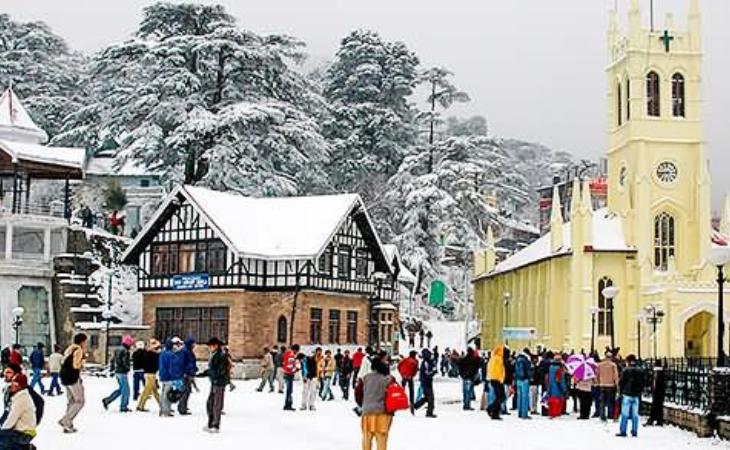
Unlike regular trips, high-altitude destinations (above 2,500 meters) expose your body to lower oxygen levels, extreme weather, and remote conditions.
Here’s why you must prioritize travel safety tips for high-altitude adventures:
- Risk of Acute Mountain Sickness (AMS)
- Sudden weather changes
- Limited medical facilities
- Physical strain due to altitude
- Remote locations with limited connectivity
Top Travel Safety Tips for High-Altitude Adventures
1. Acclimatize Properly
One of the most important travel safety tips for high-altitude adventures is allowing your body to adjust.
How to do it:
- Spend 24–48 hours at a moderate altitude before going higher
- Avoid rapid ascent
- Follow the “climb high, sleep low” rule
2. Stay Hydrated
Dehydration increases the risk of altitude sickness.
Tips:
- Drink 3–4 liters of water daily
- Avoid alcohol and smoking
- Include electrolytes in your diet
3. Pack Smart & Layer Up
Weather in high altitudes can change rapidly.
Essentials:
- Thermal wear and insulated jackets
- Waterproof gloves and shoes
- Sunglasses (UV protection)
- Sunscreen (SPF 50+)
4. Understand Altitude Sickness (AMS)
Knowing the symptoms is crucial for applying travel safety tips for high-altitude adventures effectively.
Common Symptoms:
- Headache
- Nausea
- Dizziness
- Shortness of breath
What to do:
- Descend immediately if symptoms worsen
- Take proper medication if prescribed
5. Travel with Experienced Guides or Drivers
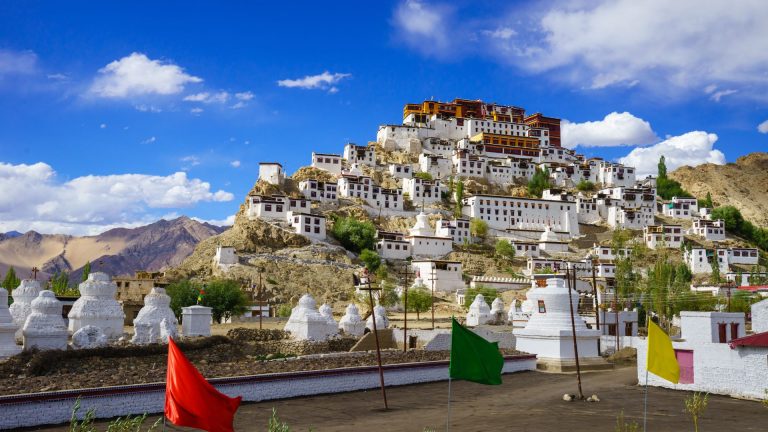
Roads in regions like Spiti and Ladakh are challenging.
Why it matters:
- Better navigation in difficult terrain
- Quick response during emergencies
- Local knowledge of weather and road conditions
6. Carry a Basic Medical Kit
Always be prepared for emergencies.
Include:
- Medicines for altitude sickness
- Painkillers and bandages
- Oxygen cylinders (if possible)
- Personal prescriptions
7. Stay Connected & Share Your Itinerary
Connectivity is limited in remote areas.
Safety tips:
- Inform family/friends about your travel plan
- Keep offline maps downloaded
- Carry a power bank
8. Eat Light & Nutritious Food
Heavy meals can strain your body at high altitudes.
Recommended:
- Light, high-carb meals
- Avoid oily and junk food
- Eat small portions frequently
9. Check Weather & Road Conditions
Weather can change within minutes in the mountains.
Before traveling:
- Check forecasts regularly
- Avoid traveling during landslides or heavy snowfall
10. Avoid Overexertion
Take it slow—your body needs time to adjust.
Remember:
- Walk slowly
- Avoid running or heavy physical activity
- Take frequent breaks
Best Time for Safe High-Altitude Travel
Choosing the right time is part of following travel safety tips for high-altitude adventures.
Summer (May to September)
- Best time for beginners
- Stable weather conditions
- Roads are accessible
Winter (October to April)
- Only for experienced travelers
- Extreme cold and limited access
- Higher risk but unique experience
Cost Factors for High-Altitude Trips
Key Cost Elements:
- Transportation (flights vs road trips)
- Accommodation (hotels, camps, homestays)
- Safety gear and equipment
- Travel insurance
Average Budget:
- Budget Trip: ₹15,000 – ₹30,000
- Mid-Range: ₹30,000 – ₹60,000
- Luxury Adventure: ₹70,000+
Who This Guide is Ideal For
Adventure Travelers
- Trekking, biking, and exploring high-altitude regions
Couples & Honeymooners
- Planning safe romantic trips in the mountains
Families
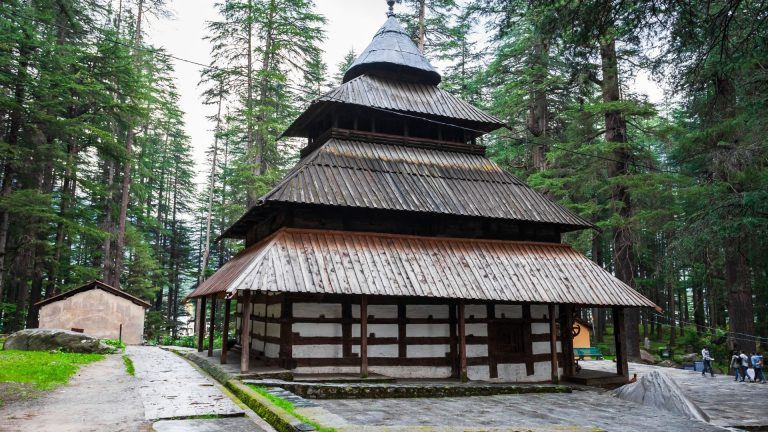
- Traveling with kids to destinations like Manali, Spiti, or Ladakh
Content Creators
- Shooting in extreme environments
Pro Travel Tips (Bonus)
- Always carry cash (ATMs are limited)
- Get travel insurance for high-altitude trips
- Avoid smoking—it reduces oxygen intake
- Start your journey early in the day
- Respect local culture and environment
Conclusion (Strong CTA)
High-altitude adventures are life-changing—but only when done safely. By following these essential travel safety tips for high-altitude adventures, you can enjoy your trip without unnecessary risks.
Plan smart, travel safe, and explore the Himalayas with confidence!
Book your safe and guided high-altitude trip today or Get a customized travel plan now!
FAQs
1. What are the most important travel safety tips for high-altitude adventures?
Proper acclimatization, hydration, and understanding altitude sickness are the most important safety tips.
2. What is altitude sickness and how can I prevent it?
Altitude sickness occurs due to low oxygen levels. Prevent it by ascending slowly and staying hydrated.
3. Is it safe to travel to high-altitude places like Ladakh?
Yes, if you follow proper safety guidelines and acclimatize properly.
4. What should I pack for high-altitude travel?
Warm clothes, medicines, sunscreen, sunglasses, and a basic medical kit are essential.
5. Which is the best time for high-altitude travel in India?
May to September is considered the safest and most suitable time.






0 Comment