



India is becoming an increasingly important destination for business events, corporate meetings, incentive tours, conferences, and exhibitions. With its diverse destinations, expanding event infrastructure, range of accommodation options, and rich cultural experiences, the country offers businesses many ways to combine professional objectives with memorable travel experiences.
MICE tourism in India in 2027 presents opportunities for companies that want to organize leadership meetings, employee reward trips, annual conferences, dealer meets, product launches, and corporate retreats. The sector is also receiving policy attention: India’s Ministry of Tourism has identified MICE as an important tourism segment and introduced initiatives to strengthen the country’s position in the global business-events market.
For businesses, successful corporate travel involves more than booking a hotel or conference room. It requires selecting the right destination, coordinating transport, arranging accommodation, managing schedules, and creating experiences that support the purpose of the event.
In this guide, we explore the meaning of MICE tourism, the best Indian destinations for corporate events in 2027, emerging industry trends, and practical tips for planning a successful business gathering.

What Is MICE Tourism?
MICE stands for Meetings, Incentives, Conferences and Exhibitions. It is a specialized segment of business tourism in which people travel to attend professional gatherings, company events, trade shows, and organized incentive experiences.
Unlike a conventional leisure holiday, MICE travel is planned around business objectives, schedules, networking, learning, employee engagement, and organizational growth.
The four major components are:
1. Meetings
Corporate meetings bring employees, executives, clients, or business partners together to discuss strategies, review performance, set goals, and make decisions. These may include board meetings, leadership sessions, sales meetings, and annual planning events.
2. Incentives
Incentive travel rewards employees, sales teams, channel partners, or distributors for their performance. Companies may organize a destination holiday, adventure experience, luxury resort stay, or cultural tour to recognize achievements and strengthen relationships.
3. Conferences
Conferences allow professionals to exchange knowledge, discuss industry developments, attend presentations, and build networks. They can range from small corporate seminars to large national or international gatherings.
4. Exhibitions
Exhibitions and trade shows connect businesses with customers, suppliers, distributors, and industry professionals. They may feature product demonstrations, business networking, industry showcases, and commercial partnerships.
Together, these four segments make MICE tourism an important link between business travel, hospitality, transportation, and the wider tourism economy.
Tourism India
+1
Why Is MICE Tourism Important in India in 2027?
India’s appeal for business events comes from its combination of major commercial centres, modern event facilities, varied regional destinations, and established hospitality services.
The Ministry of Tourism’s Meet in India initiative aims to promote the country as a destination for meetings, incentives, conferences, and exhibitions. The ministry has also highlighted city-level MICE promotion bureaus and a digital catalogue covering facilities in more than 60 Indian cities that hosted G20 meetings.
Here are some reasons companies may consider India for corporate events in 2027:
- Destination variety: Businesses can choose metropolitan cities, heritage destinations, beaches, forests, and mountain resorts.
- Different budget levels: Event planners can compare accommodation, venues, travel options, and activities to suit their budgets.
- Business networking: Conferences and exhibitions bring industry professionals together for knowledge exchange and new partnerships.
- Employee engagement: Incentive trips and offsites give teams opportunities to connect outside the regular workplace.
- Combined business and leisure: Events can include cultural visits, local experiences, and team activities alongside formal sessions.
- Growing industry attention: Government and industry initiatives are focused on strengthening India’s business-events ecosystem.
India is also scheduled to host the World Travel & Tourism Council’s Global Summit in Delhi in 2027, according to the council’s announcement on 9 October 2026. This is a notable development for the wider travel and tourism industry.
World Travel & Tourism Council
Top 8 MICE destinations in India for corporate events in 2027
Choosing the right destination is one of the most important decisions in corporate event planning. Companies should consider accessibility, venue capacity, accommodation, local transport, seasonal weather, and the type of experience they want to create.
The following destinations offer different advantages for meetings, incentive tours, conferences, and corporate retreats.
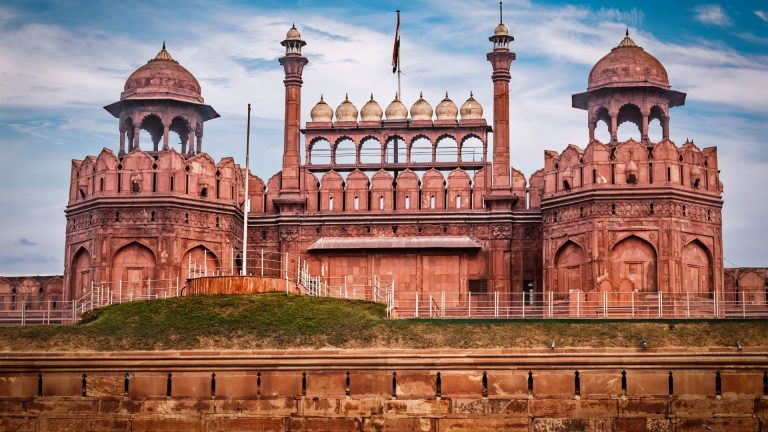
1. Delhi NCR – For conferences and large corporate events

Delhi NCR is a strong option for large conferences, exhibitions, leadership meetings, product launches, and industry gatherings. Its business ecosystem, air connectivity, hotels, and major convention facilities make it suitable for events that require professional infrastructure.
Best suited for: National conferences, trade exhibitions, corporate meetings, and product launches.
Planning tip: Select accommodation and meeting venues with convenient transport connections, especially when delegates are arriving from multiple cities.
2. Mumbai – For business networking and exhibitions
Mumbai is an important commercial centre with corporate offices, hotels, exhibition facilities, and event venues. It works particularly well for financial services, media, technology, consumer brands, and business networking events.
Companies can combine formal meetings with networking dinners and carefully planned local experiences.
Best suited for: Industry exhibitions, client meetings, dealer conferences, and product launches.
Planning tip: Account for peak-hour traffic when scheduling airport transfers, meetings, and evening events.
3. Hyderabad – For technology conferences and corporate meetings
Hyderabad is worth considering for technology-focused conferences, pharmaceutical industry gatherings, leadership sessions, and professional training events. The city combines a major business ecosystem with established hospitality options.
Best suited for: IT conferences, technology events, pharmaceutical meetings, and corporate workshops.
Planning tip: Choose a hotel or venue close to the main event location to reduce transfers and simplify the delegate schedule.
4. Bengaluru – For innovation and startup events
Bengaluru is a relevant choice for technology companies, startups, innovation teams, and businesses organizing professional development events. The city’s business environment makes it suitable for knowledge-sharing sessions and industry networking.
Best suited for: Startup summits, technology conferences, leadership meetings, and workshops.
Planning tip: Confirm venue availability and local transportation arrangements well in advance for large gatherings.
5. Goa – For incentive trips and employee rewards

Goa is a popular leisure destination that can also work well for corporate incentive tours, employee reward trips, annual team gatherings, and relaxed business retreats.
Depending on the venue, companies can combine conference sessions with beachside dinners, cultural activities, and group experiences.
Best suited for: Incentive travel, employee rewards, sales meets, and team celebrations.
Planning tip: Compare seasonal rates and check event permissions before planning outdoor activities.
6. Jaipur – For heritage-inspired corporate experiences
Jaipur offers heritage architecture, cultural experiences, hotels, and event venues that can give a corporate gathering a distinctive setting. It is suitable for businesses looking for a combination of formal sessions and destination experiences.
Best suited for: Dealer meets, incentive tours, leadership retreats, and corporate celebrations.
Planning tip: Build time into the itinerary for local travel, cultural activities, and venue setup.
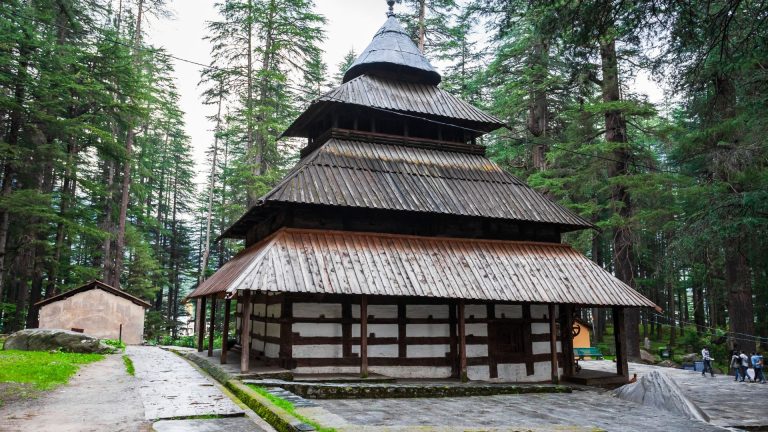
7. Shimla and Manali – For corporate offsites and team building

Shimla and Manali are worth considering for companies that want to move away from conventional city conference settings. Mountain surroundings, resort stays, and outdoor activities can create opportunities for team bonding and leadership discussions.
These destinations are especially relevant for smaller corporate groups, management retreats, employee outings, and incentive tours.
Best suited for: Corporate offsites, leadership retreats, team-building programmes, and employee getaways.
Planning tip: Check road conditions, weather forecasts, group transport capacity, and the availability of indoor alternatives before confirming dates.
8. Rishikesh – For wellness and outdoor team experiences
Rishikesh offers riverside surroundings, yoga and wellness experiences, and outdoor activities that may suit companies seeking a retreat with a focus on team connection and well-being.
Activities should be selected according to participants’ abilities, safety requirements, and the objectives of the trip.
Best suited for: Wellness retreats, small team offsites, leadership breaks, and employee engagement programmes.
Planning tip: Use qualified activity providers and verify safety arrangements before confirming adventure activities.
How to choose the right destination
| Corporate objective | Destinations to consider |
|---|---|
| Large conferences and exhibitions | Delhi NCR, Mumbai |
| Technology and innovation events | Bengaluru, Hyderabad |
| Incentive travel and employee rewards | Goa, Jaipur |
| Mountain offsites and team bonding | Shimla, Manali |
| Wellness and outdoor experiences | Rishikesh |
These are practical starting points rather than a definitive ranking. The best destination depends on the event size, budget, travel dates, venue requirements, and delegate preferences.
Emerging MICE tourism trends in India for 2027
Corporate event planning continues to evolve as companies look for measurable business value, better participant experiences, and more efficient event operations. A 2026 KPMG analysis of India’s events and experiences industry highlights the importance of technology, sustainability, visitor travel, and event-led economic activity.

1. Technology-enabled event management
Digital registration, event applications, attendee communication tools, and hybrid meeting technology can make corporate events easier to coordinate. AI tools may also help organizers draft communications, personalize content, and support planning workflows.
Technology should support the event’s objectives rather than add unnecessary complexity.
2. Experience-led incentive travel
Companies may look beyond conventional sightseeing and hotel stays to create experiences that reward employees and encourage team participation. Depending on the destination, this could include guided cultural activities, culinary experiences, outdoor challenges, or wellness sessions.
3. Sustainability in corporate events
Businesses are paying greater attention to waste reduction, responsible sourcing, transport planning, and venue sustainability. Organizers can compare venues’ environmental practices and reduce unnecessary transfers by coordinating accommodation and event locations.
4. Smaller, purpose-driven corporate offsites
Not every corporate gathering needs a large convention centre. Smaller leadership meetings, department retreats, and focused team workshops can offer a more suitable environment for collaboration.
The key is to match the group size and programme to the venue instead of choosing a location solely for its appearance.
5. Greater focus on delegate experience
Convenient transfers, clear communication, suitable meal arrangements, comfortable accommodation, and well-paced schedules all contribute to a positive event experience.
An itinerary that leaves room for rest and informal networking may be more effective than one packed with activities.
6. Business events combined with destination experiences
Some organizers are integrating business sessions with local culture, regional cuisine, sightseeing, and team activities. This approach can make an event more memorable while supporting local tourism businesses.
The right balance depends on whether the priority is a formal conference, a reward trip, or a team-building retreat.
How to plan a successful corporate event in India
A successful MICE event starts with clear objectives and detailed coordination. Companies should establish the purpose of the gathering before selecting the destination or making bookings.

Step 1: Define the purpose and audience
Decide whether the event is a conference, annual meeting, incentive trip, exhibition, or employee offsite. Identify the expected number of attendees, seniority levels, and any accessibility or dietary requirements.
Step 2: Establish a realistic budget
Prepare a budget that includes:
- Flights, trains, and ground transportation
- Hotel accommodation and meeting rooms
- Food, refreshments, and event catering
- Audio-visual equipment and production
- Team-building activities and local experiences
- Event staff, insurance where appropriate, and contingency funds
Compare supplier quotations carefully and confirm what is included in each package.
Step 3: Select the destination and venue
Shortlist destinations according to connectivity, travel time, venue capacity, accommodation, weather, and the event programme. Check room layouts, equipment, internet connectivity, accessibility, and backup facilities before confirming the booking.
Step 4: Coordinate travel and accommodation
For groups arriving from different cities, prepare a consolidated travel plan. Arrange arrival transfers, hotel check-ins, departure schedules, and a clear point of contact for attendees.
For mountain destinations such as Shimla and Manali, include additional flexibility for road conditions and weather-related changes.
Step 5: Create a balanced itinerary
Build the programme around the main business objective. Allow adequate time for presentations, breaks, networking, meals, and optional activities. Avoid scheduling too many experiences into a short trip.
Step 6: Confirm suppliers and contingency plans
Keep written confirmations for venues, hotels, transport providers, and activity operators. Establish backup arrangements for weather disruptions, delays, technical issues, and changes in attendance.
Step 7: Evaluate the results
After the event, collect feedback and review attendance, participation, budget performance, and achievement of the original objectives. These insights can improve future corporate travel programmes.
How corporate travel companies can support MICE planning
Planning a multi-day corporate event can involve several suppliers and moving parts. A travel partner can help businesses coordinate transport, accommodation, group itineraries, sightseeing, and destination logistics.
For companies planning an offsite or incentive tour, a customized itinerary can be more appropriate than a standard holiday package. It can accommodate the group size, event schedule, preferred hotel category, activities, and budget.
Trip Book Holidays can use its destination-planning expertise to help businesses explore customized corporate group travel options, particularly for Himachal Pradesh destinations such as Shimla, Kullu, and Manali. The final itinerary should be tailored to the company’s requirements and confirmed supplier availability.
For a corporate travel enquiry, visit Trip Book Holidays or contact the team at +91 80914 09366 or support@tripbookholidays.com.
Frequently asked questions about MICE tourism in India
1. What is MICE tourism in India?
MICE tourism refers to travel for Meetings, Incentives, Conferences, and Exhibitions. It includes corporate meetings, employee reward trips, industry conferences, and trade exhibitions.
2. Which are the best MICE destinations in India for 2027?
Delhi NCR, Mumbai, Hyderabad, Bengaluru, Goa, and Jaipur are worth considering for business events. Shimla, Manali, and Rishikesh can be suitable for selected corporate offsites, incentive trips, and wellness retreats.
3. What is included in a corporate tour package?
A corporate tour package may include accommodation, transfers, meals, sightseeing, meeting facilities, team-building activities, and event coordination. Inclusions vary by provider and should be confirmed before booking.
4. How much does a corporate event in India cost?
The cost depends on group size, destination, travel dates, hotel category, venue requirements, transport, catering, and activities. Businesses should obtain a customized quotation based on their actual requirements rather than relying on a generic per-person estimate.
5. How far in advance should a MICE event be planned?
For large conferences or peak-season events, starting several months in advance is sensible. Smaller offsites may require less time, depending on group size, venue availability, and travel arrangements.
6. Are Shimla and Manali suitable for corporate offsites?
Yes. Both destinations can suit corporate retreats, team-building programmes, and incentive trips. Organizers should account for seasonal conditions, road access, hotel capacity, and suitable indoor alternatives.
7. What are the major MICE trends for 2027?
Relevant trends to watch include technology-enabled event management, personalized incentive travel, sustainability, smaller purpose-driven offsites, and improved delegate experiences. Individual company priorities will vary.
Conclusion
MICE tourism in India in 2027 offers businesses a range of possibilities, from large-scale conferences in major cities to incentive tours and corporate retreats in scenic destinations. The right event combines a clear business objective with suitable venues, efficient logistics, engaging experiences, and careful budget management.
For corporate travel planners, the most effective approach is to choose a destination based on the needs of the attendees rather than following trends alone. With thoughtful planning and reliable travel coordination, a corporate event can support networking, employee engagement, knowledge sharing, and stronger business relationships.
If your company is planning a corporate offsite, incentive trip, or group travel programme, explore customized travel options with Trip Book Holidays.





0 Comment