



I’ll structure this as an original, SEO-optimised comparison blog for Trip Book Holidays, with images between sections, a Ladakh-versus-Spiti comparison table, estimated budgets, itineraries, FAQs, and WordPress SEO settings.
One important point for a 2026 guide: Ladakh is generally best for a summer road trip, while Spiti offers a more gradual approach through Shimla and Kinnaur for much of the year—but neither destination is free of altitude or road risks. Official tourism guidance recommends acclimatisation in Leh, and the Shimla–Kinnaur route into Spiti is subject to weather and road conditions.
Ladakh Tourism+2
Leh Ladakh or Spiti Valley in 2026 – Which One to Choose?


6
Choosing between Leh Ladakh and Spiti Valley can be difficult because both destinations offer spectacular Himalayan scenery, dramatic mountain roads, ancient monasteries, and unforgettable road-trip experiences. However, the two destinations differ in accessibility, travel style, landscapes, accommodation, and budget.
Leh Ladakh or Spiti Valley in 2026—which one should you choose? If you dream of turquoise lakes, high mountain passes, and a longer adventure, Ladakh may be your ideal destination. If you prefer remote Himalayan villages, Buddhist monasteries, rugged landscapes, and a road trip through Kinnaur, Spiti Valley could be the better fit.
In this guide by Trip Book Holidays, we compare both destinations in terms of the best time to visit, places to explore, trip cost, road conditions, itinerary, and travel difficulty so you can make an informed decision.
Quick comparison: Leh Ladakh vs Spiti Valley
| Travel factor | Leh Ladakh | Spiti Valley |
|---|---|---|
| Best general season | June–September for major road trips | May–October for the main circuit |
| Famous for | Pangong Lake, Nubra Valley, high passes | Monasteries, Kaza, Key, Langza, Hikkim |
| Overall landscape | High-altitude desert, lakes, mountains | Rugged cold desert, villages, monasteries |
| Typical trip duration | 7–10 days or longer | 6–9 days or longer |
| Getting there | Flights to Leh or seasonal road routes | Primarily by road via Shimla–Kinnaur or the seasonal Manali route |
| Travel style | Longer, expansive adventure | Remote village exploration and mountain road trip |
| Budget | Often higher, depending on flights and route | Can be more economical, depending on transport and accommodation |
| Main challenge | Altitude, acclimatisation, long distances | Rough roads, remote facilities, altitude |
| Best for | Adventure lovers, photographers, lake scenery | Road-trip enthusiasts, culture seekers, quiet mountain escapes |
These are general planning comparisons, not guarantees of road access or actual package prices. Conditions and costs depend on travel dates, transport, accommodation, and current local restrictions.
1. What makes Leh Ladakh special?

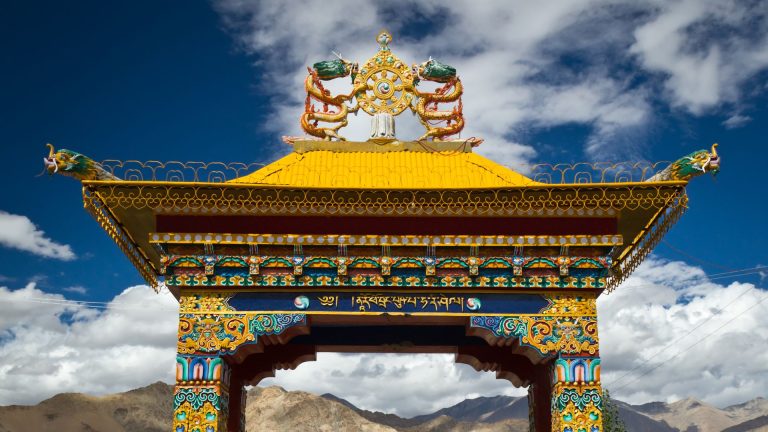
Leh Ladakh, in the Union Territory of Ladakh, is known for vast high-altitude landscapes, clear mountain skies, Buddhist heritage, and iconic lakes. It attracts motorcycle travellers, photographers, couples, families, and adventure seekers.
The town of Leh is a common starting point for journeys to Nubra Valley, Pangong Tso, and other parts of the region. Travellers can arrive by air or use seasonal road routes from Srinagar or Manali, subject to conditions.
India+1
Best places to visit in Leh Ladakh

Pangong Tso Lake
One of Ladakh’s most famous attractions, Pangong Tso is known for its striking blue water and dramatic mountain setting. Weather, access restrictions, and altitude should be considered when planning an excursion.

Nubra Valley
Nubra offers a distinctive mix of mountain scenery, river valleys, and the sand dunes around Hunder. It is a highlight for travellers looking for varied landscapes and cultural experiences.

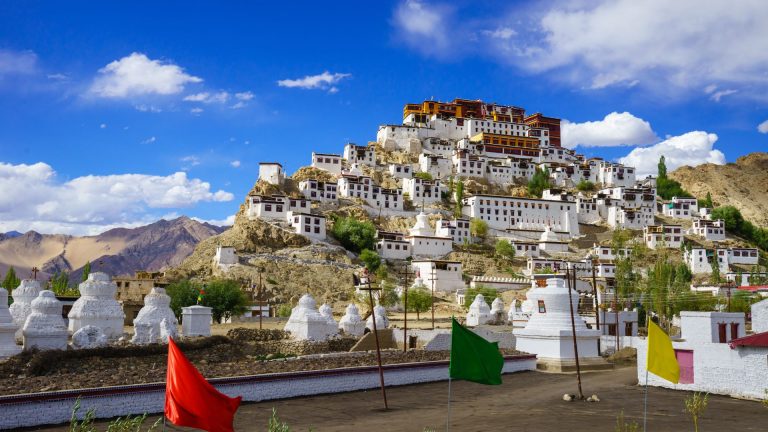
Thiksey Monastery
Visit this impressive hilltop monastery to appreciate Ladakh’s Buddhist architecture, spiritual traditions, and panoramic views.

Khardung La region
The high mountain route is known for dramatic scenery. Access and road conditions can change, so follow current local travel guidance rather than relying on old road-trip itineraries.
Other popular stops include Leh Palace, Shanti Stupa, Hemis Monastery, and selected parts of the Indus Valley.
Why choose Ladakh in 2026?
- You want to experience famous Himalayan lakes and high mountain passes.
- You have enough time for a longer road trip.
- You enjoy photography, mountain scenery, and cultural attractions.
- You can budget for transport, accommodation, and longer excursions.
- You are prepared to acclimatise properly before visiting higher-altitude locations.
Ladakh is not simply a destination for ticking off famous viewpoints. It rewards travellers who allow enough time to adjust to the altitude and enjoy the journey without rushing.
2. What makes Spiti Valley special?
Spiti Valley, located in Himachal Pradesh, is a cold-desert region known for stark mountain scenery, traditional villages, Buddhist monasteries, and remote Himalayan roads.
Compared with Ladakh, a Spiti trip often places greater emphasis on exploring villages, local culture, monasteries, and the landscape around Kaza. The official Himachal Tourism guide highlights attractions such as Key Monastery, Kibber, Langza, Hikkim, and Tabo.
Himachal Tourism Official Website+1
Best places to visit in Spiti Valley

Key Monastery
A landmark of Spiti, Key Monastery stands above the valley and offers an insight into the region’s Buddhist heritage and architecture.

Chicham Bridge
Known for its striking setting over a deep gorge, this bridge is a memorable stop for scenic drives and photography when the route is accessible.

Langza Village
Langza is known for its large Buddha statue, mountain backdrop, and traditional village atmosphere. It is a favourite for photographers and slow travellers.

Hikkim and Komic
These high-altitude villages offer a glimpse of life in remote Spiti. Visits should be planned around weather, road access, and enough time to travel safely.

Tabo Monastery
Tabo is an important cultural stop with a historic monastery and a quieter atmosphere that appeals to travellers interested in Himalayan heritage.
Other places to consider include Kaza, Dhankar, Pin Valley, and selected viewpoints along the Shimla–Kinnaur route.
Why choose Spiti Valley in 2026?
- You prefer remote villages and cultural experiences.
- You enjoy rugged landscapes and less urbanised destinations.
- You want to explore monasteries and traditional Himalayan settlements.
- You prefer a road journey that can approach the valley through Shimla and Kinnaur.
- You are comfortable with basic facilities and possible changes to your plans.
Spiti is not necessarily an easier destination just because it is less developed. Long drives, high altitude, rough stretches, limited medical facilities, and rapidly changing weather require careful planning.
3. Best time to visit Ladakh vs Spiti Valley in 2026


7
The best time to visit depends on your preferred travel experience and whether you want to drive, fly, or explore the region on foot.
Best time to visit Leh Ladakh
June to September is generally the most suitable period for a classic Ladakh road trip, although opening dates vary with snowfall and road conditions. During this season, travellers can plan routes around Leh, Nubra Valley, and Pangong Tso, subject to local access.
- May–June: Early-season travel; some high passes may still be affected by snow.
- July–August: Popular for road trips and mountain scenery, but check weather and road alerts.
- September: Can offer beautiful autumn landscapes and fewer crowds on some dates.
- October onward: Conditions become colder, and some road routes may close seasonally.
Flights to Leh may operate outside the main road-trip season, but winter travel involves significantly colder conditions and possible disruptions.
Best time to visit Spiti Valley
May to October is the general travel window for the main Spiti circuit. The Shimla–Kinnaur approach and the Manali–Kaza route do not have identical seasonal access.
- May–June: A good period to begin planning a summer trip, depending on road openings.
- July–August: Popular for village visits and mountain scenery; check for rain-related disruptions on approach roads.
- September: Often attractive for photography and autumn colours.
- October onward: Temperatures fall, and high passes may close as snow accumulates. Winter access can be limited.
The Himachal Pradesh government notes that the Kunzum Pass route connecting the Manali side with Spiti is generally affected by winter closures, while the Shimla–Kinnaur route is the more practical approach for much of the colder season, subject to prevailing conditions.
Important for late 2026: Before booking either destination, check current road advisories. Do not assume that the Manali–Leh or Manali–Kaza route is open simply because it appears in an online itinerary.
4. Ladakh vs Spiti Valley trip cost in 2026

Your budget depends on where you start, group size, travel dates, hotel category, vehicle choice, and the number of sightseeing days.
The estimates below are illustrative planning ranges, not live package quotations.
| Expense | Leh Ladakh | Spiti Valley |
|---|---|---|
| Budget accommodation | ₹1,000–₹2,500 per room/night | ₹800–₹2,000 per room/night |
| Meals | ₹500–₹1,000 per person/day | ₹400–₹900 per person/day |
| Local transport | Varies considerably by route and vehicle | Varies considerably by route and vehicle |
| Typical trip length | 7–10 days | 6–9 days |
| Illustrative land-trip budget | ₹18,000–₹35,000+ per person | ₹12,000–₹28,000+ per person |
These estimates assume budget-to-mid-range choices and may exclude travel from your home city, flights, optional activities, special permits or fees, and unexpected expenses. A private vehicle for a small group can cost substantially more per person than shared transport.
Which destination is cheaper?
Spiti may be more affordable for travellers who choose economical homestays and a suitable shared or group vehicle. Ladakh can become more expensive when flights, longer excursions, and private transport are involved.
However, neither destination is always cheaper. Compare the complete itinerary and included services rather than choosing based on the starting price alone.
How to save money
- Travel with a suitable group to share vehicle costs.
- Compare accommodation and meal inclusions.
- Allow sufficient days rather than paying for rushed transfers.
- Confirm what is included in a tour package.
- Keep a contingency budget for weather-related changes.
- Check cancellation and rescheduling policies before paying.
5. Road trip comparison: Ladakh vs Spiti Valley


Both destinations are famous for mountain road trips, but the routes require different kinds of preparation.
Ladakh road trip
Travellers commonly approach Leh via Srinagar or the seasonal Manali–Leh Highway. The latter crosses several high mountain passes and can be demanding even in good weather.
The official Leh district website lists both highways and notes their seasonal operating windows. It also advises travellers arriving in Leh by air to allow time for acclimatisation.
Spiti Valley road trip
Spiti can be approached through:
- Shimla–Kinnaur–Kaza: The preferred approach for many itineraries, including trips planned outside the main summer season.
- Manali–Kaza: A scenic high-altitude route that depends on the opening of Kunzum Pass and other prevailing conditions.
Road access can be affected by snow, landslides, and other weather-related disruptions. The district administration advises travellers to verify road status before setting off.
Which route is better for a road trip?
Choose Ladakh if your priority is a longer expedition with iconic lakes and high mountain passes. Choose Spiti if you want to explore remote villages and monasteries along a Himalayan road journey.
In either case, select a suitable vehicle, use an experienced local driver where appropriate, and avoid driving on closed or unsafe roads.
6. Altitude, safety, and travel difficulty
This is one of the most important factors when deciding between Ladakh and Spiti.
Both destinations are high-altitude regions, and altitude sickness can affect healthy travellers. Leh is at approximately 3,500 metres above sea level, while Kaza and several nearby Spiti villages are also at high elevations.
Ladakh Tourism advises visitors arriving in Leh to rest for at least 48 hours for acclimatisation before travelling to higher-altitude areas. Follow current medical guidance and seek professional advice if you have concerns about travelling at altitude.
Keep these precautions in mind:
- Do not plan strenuous activities immediately after arriving at high altitude.
- Avoid rapid ascents and allow time to acclimatise.
- Stay hydrated and eat regularly.
- Do not ignore severe headaches, vomiting, unusual breathlessness, confusion, or worsening symptoms.
- Seek urgent medical help if altitude sickness is suspected; severe symptoms may require immediate descent.
- Carry essential prescribed medicines and travel insurance suitable for your planned activities.
- Remember that medical facilities can be limited in remote areas.
Spiti can have fewer facilities outside its main settlements, while Ladakh also has remote areas where medical help may be far away. Neither destination should be treated as a casual, risk-free road trip.
7. Sample itineraries: Ladakh vs Spiti Valley
Suggested 7-day Leh Ladakh itinerary

Day 1
Arrive in Leh and rest for acclimatisation.
Day 2
Continue resting and take only gentle local walks if you feel well.
Day 3
Explore selected local attractions, such as Leh Palace and Shanti Stupa.
Day 4
Travel towards Nubra Valley if health, access, and road conditions permit.
Day 5
Explore Nubra Valley and nearby accessible attractions.
Day 6
Visit Pangong Tso only if the route is open and the itinerary is safe for your acclimatisation level.
Day 7
Return to Leh or depart, allowing extra time for disruptions.
This is a planning example, not a fixed route recommendation. Depending on road conditions, altitude tolerance, and flight timings, a longer itinerary may be more appropriate.
Suggested 7-day Spiti Valley itinerary

Day 1
Travel from Shimla towards a suitable overnight stop in the Kinnaur region.
Day 2
Continue through Kinnaur towards Nako or Tabo, depending on road conditions and your pace.
Day 3
Reach Kaza and settle in before exploring the surrounding area.
Day 4
Visit Key Monastery and Kibber if local conditions permit.
Day 5
Explore Langza, Hikkim, and Komic if roads are accessible and weather allows.
Day 6
Explore a nearby village or monastery, keeping a buffer for weather and road delays.
Day 7
Begin the return journey, with an overnight stop where required.
For a comfortable trip, consider eight or more days so the drive is not rushed. In winter, this itinerary may not be practical as written: access to high-altitude villages can be restricted, and the Manali route may be closed.
8. Which destination is best for couples, families, and adventure lovers?

For couples
Ladakh is appealing for dramatic lakes and memorable scenery. Spiti suits couples who prefer quieter villages and cultural exploration. In both cases, choose a route that allows enough time to rest.

For families
Either destination can be demanding because of altitude and long road journeys. Families with young children or older travellers should assess medical needs, driving time, accommodation comfort, and access to help before booking.

For adventure lovers
Ladakh is well known for high-pass journeys and longer expeditions. Spiti is a strong choice for rugged road trips, remote villages, and mountain photography. Both require preparation, suitable equipment, and respect for local road restrictions.
Final verdict: Leh Ladakh or Spiti Valley in 2026?
There is no single winner—the right destination depends on your travel priorities.
- Choose Leh Ladakh for iconic lakes, expansive mountain landscapes, and a longer high-altitude adventure.
- Choose Spiti Valley for traditional villages, Buddhist monasteries, dramatic cold-desert scenery, and a road trip through Himachal Pradesh.
- Choose based on the season: The main road-trip season for both destinations is generally in the warmer months. In late autumn and winter, route access becomes a much more important consideration.
- Choose based on your comfort level: Neither destination is ideal for a rushed trip, and both require altitude awareness and flexible plans.
For travellers who have limited time, it is generally better to explore one region properly than to combine both into an exhausting itinerary.
Frequently asked questions
1. Is Ladakh better than Spiti Valley?
Ladakh may be better for travellers who want famous lakes, high mountain passes, and a longer adventure. Spiti may be better for those who enjoy remote villages, monasteries, and rugged Himalayan landscapes.
2. Is Spiti Valley cheaper than Ladakh?
Spiti can be cheaper with budget homestays and economical group transport. Ladakh costs may rise due to flights and longer excursions. Actual costs depend on dates, accommodation, vehicle, and itinerary.
3. Which is better for a first Himalayan road trip?
https://tripbookholidays.com/Neither is automatically easy. Spiti’s Shimla–Kinnaur approach can provide a more gradual road journey into the region, but the route is long and conditions can be challenging. Ladakh also requires careful acclimatisation and route planning.
4. Can I visit Ladakh and Spiti Valley in one trip?
Yes, with enough time and careful planning, but combining them involves long distances and complex route logistics. Check seasonal road access before designing a combined itinerary.
5. Is Spiti Valley accessible in winter?
Some areas may be accessible through the Shimla–Kinnaur side, but snow, extreme cold, and road closures can affect travel. The Manali–Kaza route generally closes during the winter period because of conditions around Kunzum Pass.
6. Is Ladakh accessible in winter?
Leh may be accessible by air, depending on flight operations and weather. Seasonal road routes can close, and winter temperatures can be severe. Plan accommodation, transport, medical access, and cold-weather equipment carefully.
7. How many days are needed for each destination?
Allow approximately 7–10 days or more for Ladakh and 6–9 days or more for Spiti, depending on your starting point and planned stops. Longer itineraries allow more flexibility for altitude and road delays.
8. Are permits required for Ladakh or Spiti?
Requirements can depend on nationality, the areas you intend to visit, and current rules. Check the latest official Ladakh and Himachal Pradesh guidance before travelling, especially for restricted or protected areas.
Plan your Himalayan holiday with Trip Book Holidays

Whether you’re interested in a Leh Ladakh tour package or a Spiti Valley tour package, Trip Book Holidays can help you explore travel options based on your preferred dates, group size, budget, and sightseeing plans.
- Website: www.tripbookholidays.com
- Phone/WhatsApp: +91 80914 09366
- Email: support@tripbookholidays.com
Contact us to discuss a customized Himalayan itinerary. Confirm road conditions, permits, inclusions, and cancellation terms before finalising your booking.





0 Comment